


Tea vs Coffee: Caffeine Comparison, Health Benefits & Which Is Better
Tea vs Coffee: Caffeine Comparison, Health Benefits & Which Is Better
There are basically two groups of people: those that love tea and those that love coffee. Both types of beverage have gained immense popularity all over the world; however, they both provide an experience that goes way beyond just caffeine consumption. Millions of people globally drink both tea and coffee every day as part of their culture, traditional habits, and way of life. Although both beverages naturally contain caffeine, the way they affect our body, mind, and senses is very different. Tea is typically regarded as calming, meditative, and harmonizing, while coffee is thought to give a rapid burst of energy and stimulation. The methods used to grow and produce tea and coffee differ significantly; therefore, their respective flavors, brewing techniques, and, as researchers have determined their health benefits also differ greatly. These differences, along with the method of preparation, impact how the beverage fits within someone’s daily routine. Knowing the differences between tea and coffee will allow someone to select the beverage that best suits his or her personal taste, lifestyle, and health goals… making the argument between tea and coffee equally intriguing and forever ongoing.
An opposing history
The histories of tea and coffee are filled with intrigue and excitement. Throughout history, there have been many wars fought over the right to both types of beverages. Unfortunately, because of the numerous years between now and the inception of tea, the actual history is obscured by myth; however, tea is thought to have been discovered approximately 3000 years ago in China.
According to legend, an emperor named Shennong "invented" tea after accidentally sampling it during an expedition in the wilderness. As the emperor was waiting for his ci?teau, or boiling pot of water, to boil, a sprig of tea leaves fell into it. The first recorded cup of tea was born! However, there is little to no historical record to prove or disprove this event.
On the other hand, coffee was discovered much more recently. In Yemen, in 1400 AD, a farmer noticed that after his goats nibbled on some unknown shrub, they were not able to sleep. As the farmer eaten the beans, he experienced what we now know as a caffeine rush.
Growing and cultivating
Regions with tropical and subtropical climates are where tea and coffee are mainly cultivated. Warm weather, abundance of rainfall, and fertile soils promote food production. Both plants belong to the category known as "evergreen," and typically, if not pruned properly, can grow into trees. For easier harvesting and maximum yield, both species are pruned back and kept at an appropriate size for harvesting/processing. The quality, aroma, and taste attributes of both the tea leaf and the coffee bean will be affected by many environmental factors such as exposure to sunlight, elevation, type and quality of soil, pattern of rainfall, and variations in temperature. Slight variations to any of these variables can have a significant impact on the final taste in the cup. Thus, the cultivation of tea and coffee is both an art and a science. Farmers and cultivators have dedicated many years (in some cases generations) to learning about the delicate balance that must exist in order to cultivate high-quality tea and coffee. The in-depth knowledge of the growing conditions that the specific region possesses, coupled with an understanding of how the tea and coffee plants behave, will contribute to the production of tea and coffee beverages of consistent quality for a worldwide customer base, while also meeting the expectations of the consumers.
The bean and the leaf: caffeine content
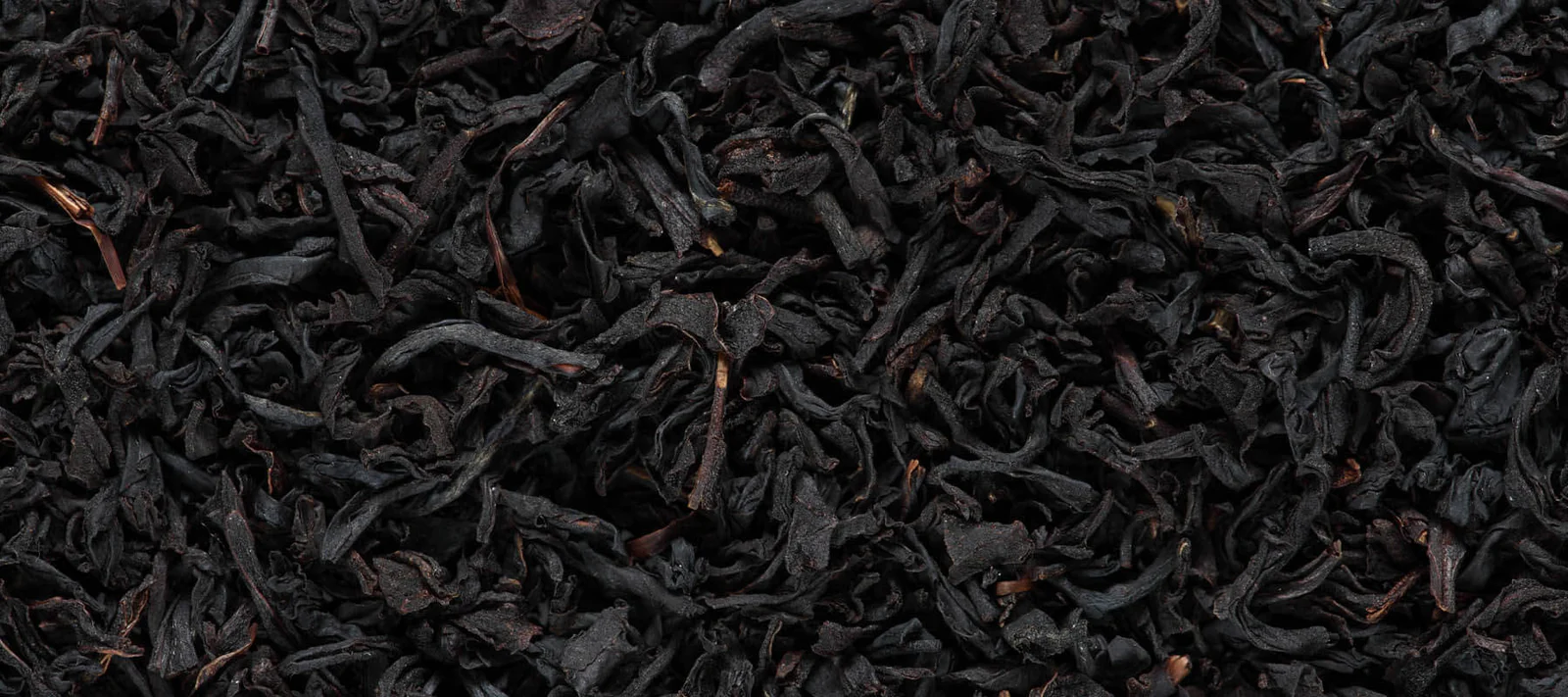
Both types of beverages are produced from different parts of their respective sources but are made differently (black tea comes from crushed, dried, and brewed leaves, while coffee comes from roasted and ground coffee beans).
The larger distinction between these two types of drinks is found in their caffeine content. On average, a cup of brewed black tea has between 50 and 75 milligrams (mg) of caffeine; however, this varies compared to other beverages and different brewing techniques. Green tea generally has 1/3 the caffeine of black tea, making it gentler on the body. Oolong tea sits between the other two teas with approximately 2/3 the caffeine of black tea.
Due to L-theanine in tea, caffeine in tea is released into the body slowly, providing longer-lasting effects, such as caffeine and an enhanced flavor and aroma, and mind stimulation (i.e., focus and alertness) without creating spikes in energy, body temperature, or heart rate. By comparison, the average cup of brewed coffee has between 125 and 185 milligrams of caffeine. Therefore, because the caffeine in coffee is much more concentrated than in either tea or oolong, it will be absorbed into the body much faster and produce a more immediate lift (i.e., energy increase) following consumption.
Processing
Coffee
Using Coffea Robusta (Canephora) and Coffea Arabica, coffee is predominantly grown as an Arabica/Robusta mix, with the Arabica variety being preferred for its milder flavour, more pleasing smell, and significantly reduced bitterness. Coffee goes through numerous controlled processes before ending up in your cup.
Coffee beans being produced need to be harvested when they are ripe (i.e., fully matured) and picked (i.e., removed from the coffee tree) by hand (i.e., at least one person picks coffee cherries). The coffee will then be picked by colour and ripeness to assure quality.
Once harvested, the outer part of the coffee bean (i.e., cracked outer) will be removed (i.e., harvested) through milling; after milling, the beans will spend time in fermentation, where the mucilage covering the coffee bean will be broken down (i.e., removed and no longer present).
Upon completion of the fermentation process, the coffee seed will be cleaned, dried, and roasted, and thus will have reached its characteristic flavour and fragrance.
All methods of preparing coffee use the same roasted coffee bean; however, they differ only in how coarse the grind of the coffee bean is in relation to the method of brewing. Once the ground coffee is brewed with water, flavours will extract from the coffee beans, and any residue will be removed prior to serving the coffee as a finished beverage.
Tea
Tea is grown throughout the world, particularly in subtropical and tropical regions, and there are two types of tea bush—large-leaved (Assam) and small-leaved (China). After the tea leaves are picked from the bush, they go to factories where they undergo various kinds of processing.
The individual tea leaves are picked from the terminal bud (tip of the branch), the young shoot on the branch, and two (2) leaves that are next to the young shoot. The processing of tea leaves results in a number of different products depending on how the leaves are processed and can include the following stages: withering, fermenting, rolling, and drying.
When tea is brewed, it can be done at home (using other methods) or at a coffee shop (using an espresso machine) depending on how the tea is made so that it can be enjoyed hot or cold with milk, flavor, lemon, lime, or masala. Brewing tea is simply putting tea leaves into a teapot, infuser, cup, or other container and pouring hot water over them, allowing them to infuse into the water at a slow rate, and adding sugar or milk if desired before drinking the hot infusion.
Caffeine in tea vs coffee
Coffee usually contains more caffeine than tea and typically provides a quicker burst. Raw tea leaves can have more caffeine than coffee beans do by weight, but when it comes to making them into drinks, they create a different concentration of caffeine because coffee extracts caffeine much more quickly during brewing than tea does. Therefore typically, more caffeine will come out of coffee than out of tea in a typical cup.
Depending on the style of coffee bean, roast depth, and brew method, a cup of coffee can contain anywhere from 70 to 140 mg of caffeine. In part because of its high overall caffeine level, this is also one of the main reasons why coffee is known for giving you a quick burst of energy. Tea, on the other hand, will generally give you a slow release of caffeine, which makes it more appealing to someone looking to stay alert for an extended period of time without getting jittery quickly. Even though total caffeine consumption can be high depending on the quality of the leaf, as well as how long it has been brewing, tea contains about 20 mg of caffeine in one cup and about 35 mg in one cup of green tea. This reaffirms tea's reputation as being a gentler, healthier alternative.
Health Benefits of Tea vs. Coffee
Tea provides many health advantages and is widely consumed by people interested in wellness. Natural antioxidants and amino acids in tea can help with inflammation, brain health, and mental alertness. In addition, studies show that drinking tea regularly may lower the risk of developing heart disease and having a stroke because it helps improve circulation of blood and maintain healthy cholesterol levels. Polyphenols found in green and black teas help prevent bodily damage from harmful chemicals (oxidative stress) and provide an overall boost to your immune system.
Coffee is also high in powerful antioxidants and offers health advantages all its own. Some studies suggest that drinking coffee on a regular basis may reduce your risk for developing type II diabetes, Alzheimer's disease, and certain types of cancer. Brewed coffee contains substantially more caffeine than brewed tea, which allows for a more extended period of quick energy. In the end, it is up to you to decide whether to choose tea or coffee according to your lifestyle, tolerance for caffeine, and personal health goals; either can be consumed in moderation for their health benefits.

Leave a Comment