


What are the differences between green and black tea
What Are the Differences Between Green Tea and Black Tea?
In terms of consumption worldwide, green tea and black tea are two of the most popular types of tea. Whether you're a frequent tea drinker or just starting on your tea journey, chances are you've tried at least one of these teas! Both green tea and black tea are produced from the same plant, Camellia sinensis; therefore, they are significantly different in color, flavor, processing methods, and ways to brew.
Both green tea and black tea share similar origins; however, they both have created their own identities through the years, leading to separate communities of people who enjoy these different-tasting teas. Some people enjoy both green tea and black tea, but most tea drinkers tend to prefer one of these teas over the other. So what exactly are the major differences in flavor between two teas produced from the same plant? Let's take a closer look.
Differences Between Black Tea and Green Tea
1. Processing Method and Oxidation
Green Tea Processing
Green tea undergoes minimal oxidation. After harvesting, the tea leaves are quickly heated—either by steaming or pan-firing—to stop oxidation. This process helps preserve the leaves’ natural green color, fresh aroma, and delicate flavors. Because oxidation is halted early, green tea retains more of its original plant compounds.
Black Tea Processing
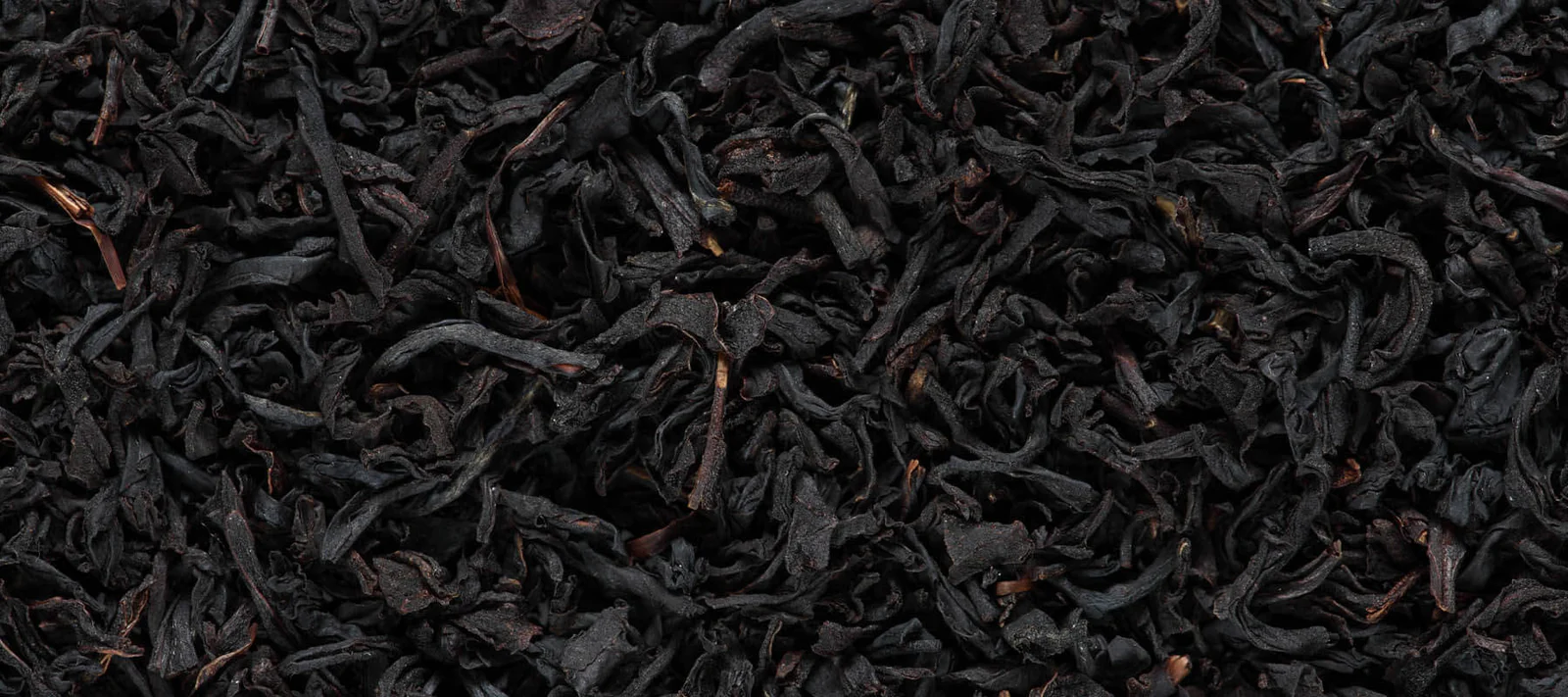
Black tea, on the other hand, is fully oxidized. After picking, the leaves are rolled and exposed to air, allowing oxidation to occur completely. This process darkens the leaves and develops the bold flavor, deep color, and strong aroma that black tea is known for. Once oxidation is complete, no green color remains in the leaf.
2. Locations of Cultivation
Black Tea Growing Regions
Black tea is traditionally grown in India and China, with famous varieties coming from Assam, Darjeeling, and Golden Yunnan. Other countries such as Nepal and Vietnam also produce high-quality specialty black teas. Indian black teas, especially Assam tea, are known for their strength and malty character.
Green Tea Growing Regions
Green tea is primarily associated with China and Japan, where production methods have been refined over centuries. While green tea can technically be grown anywhere tea plants thrive, cultural practices and processing techniques have made these regions especially well known for green tea production.
3. Types of Camellia sinensis Used
Green Tea Varieties
Green tea is usually produced from Camellia sinensis var. sinensis, a smaller-leaf variety native to China and nearby regions. This variety is well suited for producing lighter, more delicate teas with grassy or nutty notes.
Black Tea Varieties
Black tea can be made from both Camellia sinensis var. sinensis and Camellia sinensis var. assamica. The Assamica variety, commonly grown in India, has larger leaves and produces stronger, fuller-bodied teas. Over time, regional cultivars have also been developed to create unique flavor profiles.
4. Brewing Temperature and Steeping Time
Brewing Black Tea
Black tea requires boiling water (around 212°F / 100°C) and is typically steeped for 3–5 minutes. The higher temperature and longer steeping time help extract its robust flavor and deep color.
Brewing Green Tea
Green tea needs lower water temperatures, usually around 175°F (80°C), and sometimes even cooler for delicate Japanese varieties like Gyokuro or Kabusecha. Green tea is steeped for a shorter time—1 to 2 minutes—to prevent bitterness and preserve its subtle taste.
5. Color and Flavor Profile
Black Tea Color and Flavor
When brewed, black tea produces a deep reddish-brown or copper-colored liquor. Its flavor is strong and complex, often featuring notes of malt, honey, spice, or stone fruit. Indian black teas are typically bold and intense, while Chinese black teas tend to be smoother and slightly softer.
Green Tea Color and Flavor
Green tea brews into a lighter shade, ranging from pale yellow to deep green. Its flavor is generally more delicate and refreshing, with notes of grassy, nutty, vegetal, or ocean-like umami. Japanese green teas are often more intense, while Chinese green teas are milder and smoother.
Choosing Dark Obsession Tea is Smart
Quality, sourcing, and consistency are important factors when it comes to selecting premium teas. Dark Obsession is committed to providing you with high quality, responsibly sourced and consistently produced products.
Dark Obsession is an established and respected supplier of Indian tea and a global exporter of black tea, premium CTC (cut, tear and curl) tea, soybeans and black rice. Dark Obsession produces its entire line of products to the highest standards of quality, guaranteeing purity, freshness and rich flavor. Dark Obsession produces each product with care to maintain the natural properties of the tea leaf while consistently delivering an enjoyable brewing experience.
In addition to their retail offerings, Dark Obsession also has the capability to provide both white label and private label solutions to businesses looking to start or expand their own tea brands. With a variety of flexible packaging options, competitive pricing, and on-time, worldwide deliveries, Dark Obsession provides a value-added service for retailers, distributors and new brands in markets all around the world.
Dark Obsession is dedicated to sharing the beauty of India's tea by bringing it to consumers all over the world from the lush tea gardens of Assam to their tea cups. The brand is a leading exporter of black tea, premium CTC teas, soybeans and black rice.

Leave a Comment